

What do you need most to launch a startup? Determination? An idea? An enthusiastic team? Or a solid roadmap? Well, preferably all of these things, but everyone starts wherever they can. What’s most important is the way they apply their starter kit and adjust to an environment that’s likely to change constantly. So, if you’re one of the dreamers that wants to make the world a better place with your startup, here’s what to consider in terms of planning and development, all in one concise and intelligible read.
The thing that the high flyers teach us about their success is that there are no rules. Yet, for an observant mind, there are patterns – and the ones associated with successful projects are interesting. For some inspiration, check out the best apps built on Python.
The truth is, your potential startup, as brilliant as it seems, needs a critical approach. Not to kill all the ideas, but to clarify the challenges that await you on the way to greatness. Many challenges for startups become patterns: Budget is low and funding is scarce, so startups are always looking for investment. Human resources are insufficient; in the early stages, all you have is an enthusiastic team, but it’s difficult to cover all the tasks with a small number of people. The competition is stronger or, sometimes, even unclear. You have to deal with a lot of businesses. Decision-making principles and processes are unformed, slower and not thoroughly weighed. The business model and marketing strategy take time to shape. Even if you have some ideas or a plan, they may change as your product grows. Frustrations can arise while the team is small and the results are intangible. Keeping chins up is important, and sometimes hard. Assembling a toolkit is another challenge, and you may struggle to choose the best programming language for business. These challenges are common among ambitious startups, but, of course, many have proven that they’re not impossible to overcome. When you ask the right questions, these challenges turn into opportunities to grow and provide hints on how to plan your work. You can see how to approach each of these questions in the e-book “Python: The Best Language to Kickstart and Scale Your Business”
Sed ut perspiciatis unde omnis iste natus error sit voluptatem eaque ipsa quae ab illo inventore incididunt ut labore et dolore magna consectetur adipisicing elit. Fuga, impedit.
- Amand Sayfried CEO, Kenvato Market

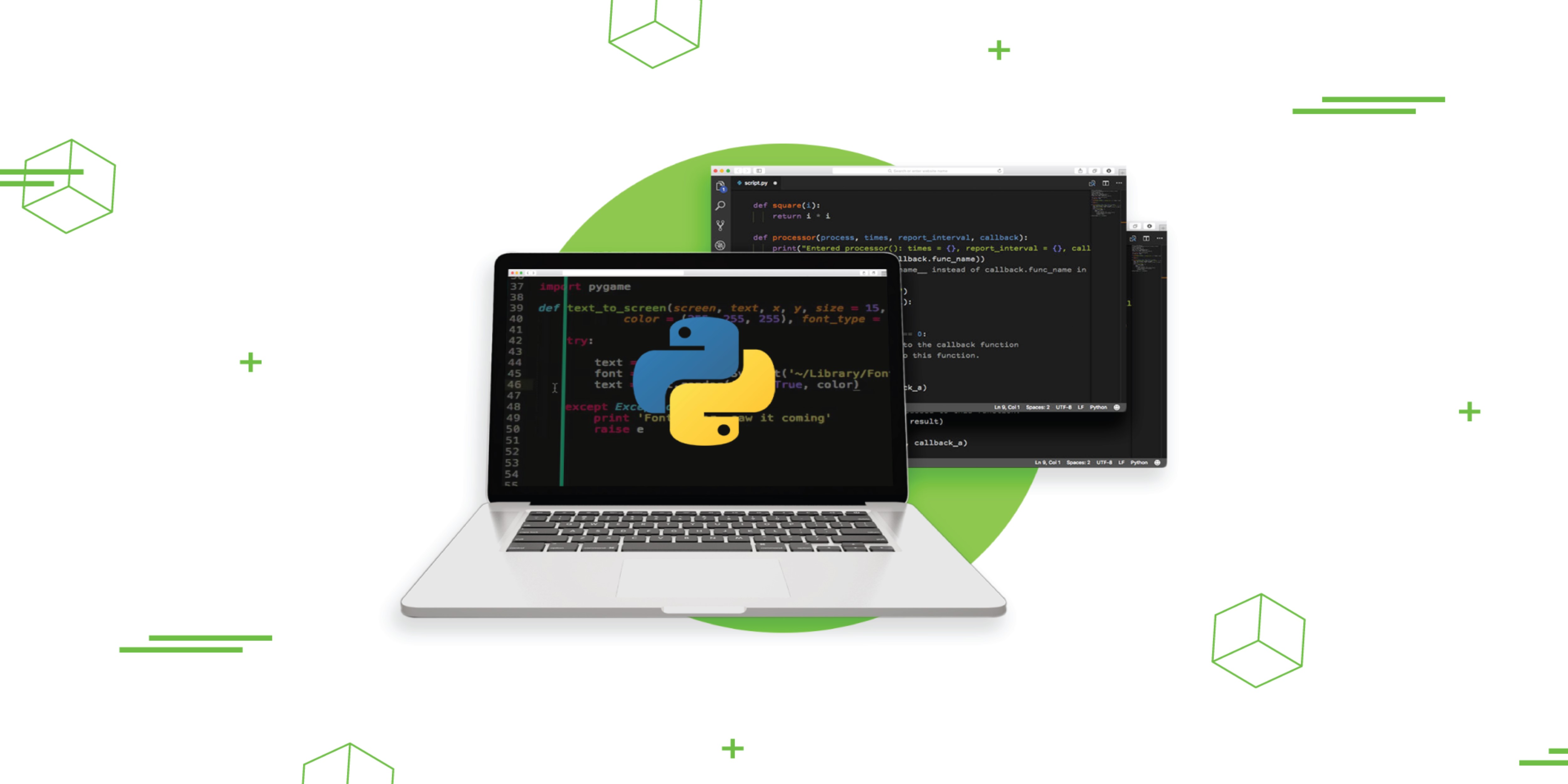
Every product and startup has its own peculiarities in terms of features, functions, and needs. For that reason, the language you use to build it must be simple and versatile. Just as you need to determine business goals and deal with challenges at the beginning of your startup, it’s important to figure out the programming language requirements of your product.
Answering these questions is essential to figuring your MVP’s needs and pinpointing the best programming language for your startup. And Python ticks all the boxes. It is simple, easy, and versatile, and popular, so you can use Python for business data analysis and product development with an easy-to-find team. If you want to know why they are important and approach them effectively, you can read about all the benefits of Python for business in the e-book.



3 Comments
Lorem ipsum dolor sit amet, consectetur adipisicing elit, sed do eiusmod tempor incididunt ut labore et dolore magna aliqua. Ut enim ad minim veniam, quis nostrud exercitation.
Lorem ipsum dolor sit amet, consectetur adipisicing elit, sed do eiusmod tempor incididunt ut labore et dolore magna aliqua. Ut enim ad minim veniam.
Lorem ipsum dolor sit amet, consectetur adipisicing elit, sed do eiusmod tempor incididunt ut labore et dolore magna aliqua. Ut enim ad minim veniam, quis nostrud exercitation.
Leave A Comment
Your email address will not be published. Required fields are marked.